











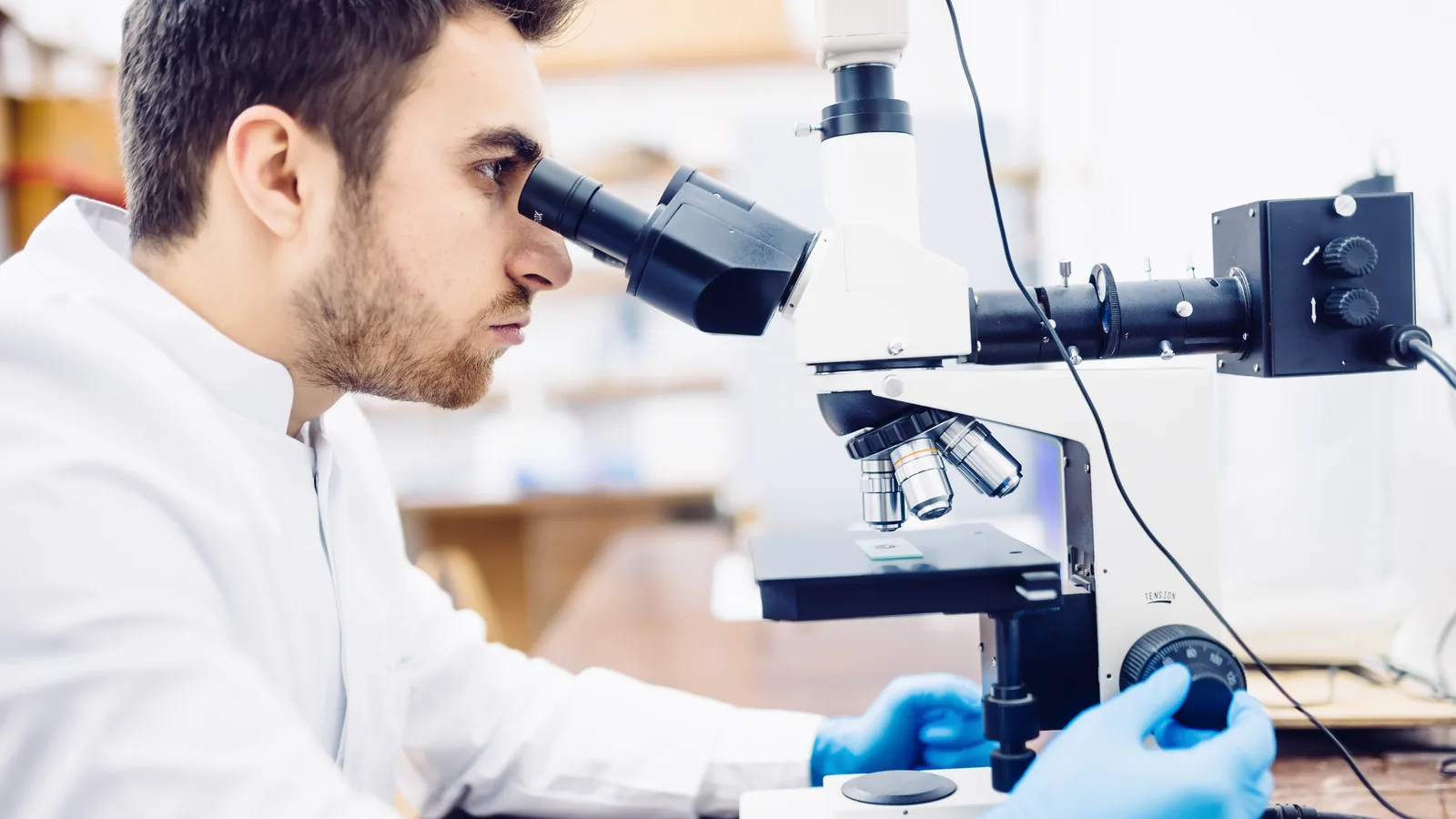
Some of the research on why muscles weaken with age is being run from Lake Nona, and part of it happens about 250 miles overhead. Dr. Siobhan Malany, a drug-discovery pharmacologist with the University of Florida who works from Lake Nona, sends small samples of lab-grown human muscle to orbit and compares them with matching samples kept on the ground. Lake Nona's own editorial team laid out the work this month, along with a new graduate program on the way at the University of Central Florida College of Medicine.
Why space
On Earth, muscles work all day against gravity. In orbit, most of that load disappears, and muscle weakens quickly, in ways that resemble some of what happens over decades of aging. NASA says astronauts on the space station exercise about two hours a day to protect their muscles and bones. For a researcher, that speed is useful: a process that is slow to study in people on the ground can be watched over the length of a mission.
Malany and her colleague Dr. Maddalena Parafati use engineered tissue: miniature three-dimensional muscle models grown from small samples donated by both younger and older volunteers. The models travel in sealed devices that feed them nutrients and need little attention from the crew.
What they have found so far
In a recent study, the team used small electrical pulses to make the tissue contract in orbit. Tissue grown from younger donors was hit hardest by spaceflight. It lost some of its ability to contract and showed many changes in genes associated with aging, compared with the samples that stayed on Earth and with the tissue from older donors that also flew.
The experiments draw on several partners. Collaborators at AdventHealth helped provide the donated tissue. A company called Micro-gRx developed the fluidic chip the tissue lives on, which is about the size of a thumb drive, and Space Tango worked with the team on the compact laboratory that fed the tissue and recorded its contractions.
What comes next
Malany directs UF's In-Space Biomanufacturing Innovation Hub, which helps researchers from pharmacy, engineering, and food and agricultural sciences prepare projects for suborbital flights, parabolic flights and the space station. Her own work is moving in three directions:
- Testing whether cells produce extracellular vesicles, the tiny packages that carry repair signals between cells, more effectively in microgravity. Making them at scale is a limit on Earth.
- Testing compounds, including natural products and antioxidants, that may prevent muscle loss. Muscle loss is a known side effect for people taking GLP-1 medications.
- Building a stem cell bank from samples astronauts give before and after flight, so that future studies can reuse the same material.
The work is experimental, and none of it is a treatment yet.
A new degree at UCF's Lake Nona campus
The UCF College of Medicine in Lake Nona plans to launch a Master of Science in Aerospace Medicine in fall 2027, a graduate program meant to train people for the health side of human spaceflight in government, commercial, research and international settings. UF's Biomanufacturing in Space Symposium, an annual gathering Malany brings to Lake Nona, was scheduled this year for November 12, with sessions on new therapies, diagnostics and recycling processes.
Prospective students can follow the aerospace medicine program through the UCF College of Medicine, at 6850 Lake Nona Boulevard in Medical City, as admissions details are published.
Loading comments…