











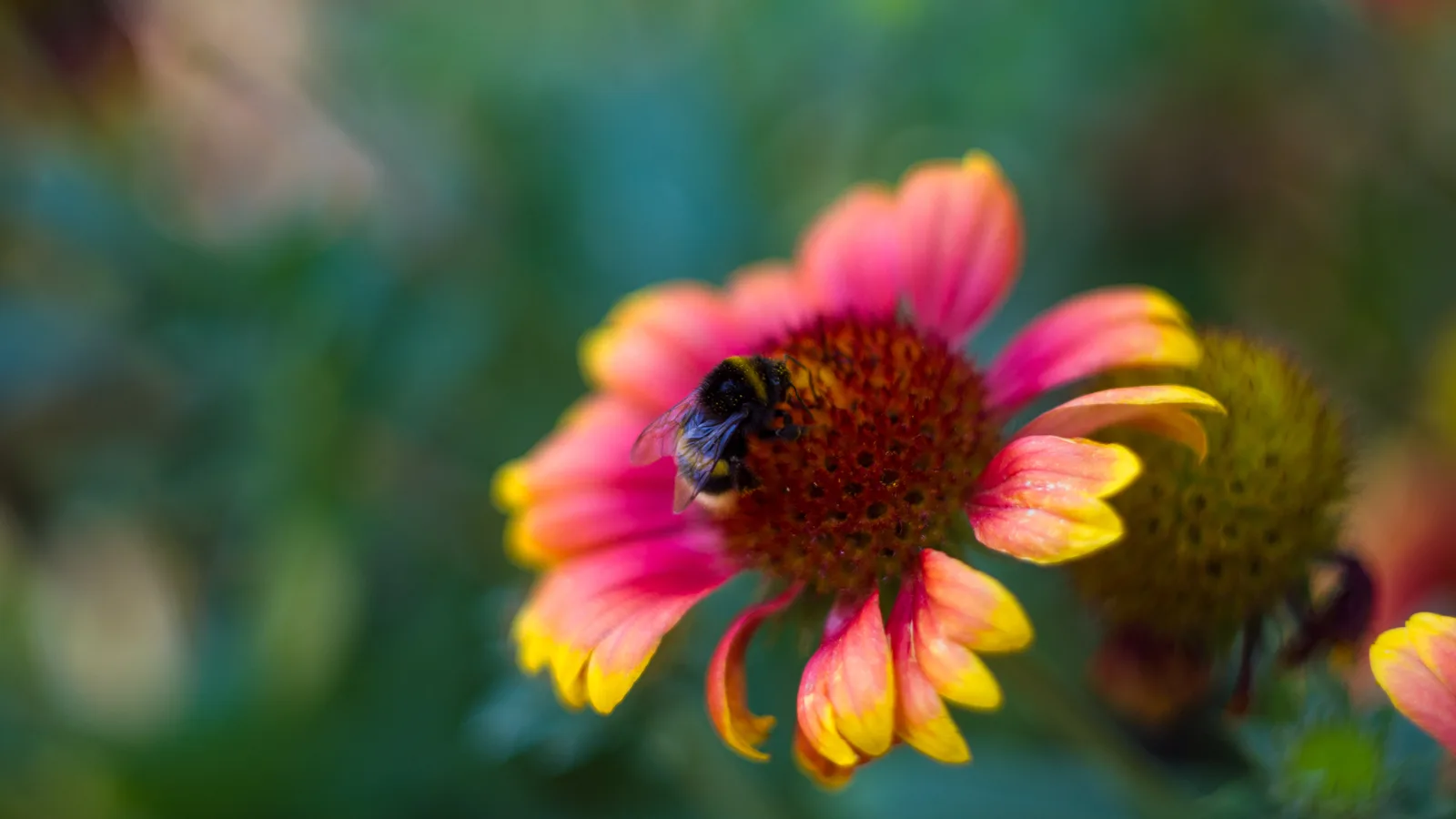
Leesburg has joined Bee City USA, a national network of cities and campuses that commit to making their landscapes better for bees, butterflies and other pollinators. The Leesburg City Commission made the designation official this summer, capping a months-long push by a group of local volunteers, and the work that follows is now underway across the city in Lake County, Florida.
Bee City USA is a program of the Xerces Society for Invertebrate Conservation, a nonprofit that works to protect insects and the habitat they depend on. Affiliated communities aim to give pollinators a healthy place to live, with a wide variety of native plants and landscapes kept free of insecticides.
Who made it happen
The effort grew out of the city's Beautification Advisory Committee, which goes by the name Leesburg in Bloom. The group has taken on several projects that add flowers and pollinator-friendly planting areas around town. As those projects took shape, the volunteers asked the commission to make Leesburg's commitment official, and the commission agreed without a dissenting vote.
Sandi Moore, who chairs Leesburg in Bloom and also serves as chief executive of the Leesburg Chamber of Commerce, played a leading role in the campaign. Mayor Allyson Berry thanked the committee for bringing the program to the city's attention and said the commission recognizes the importance of supporting pollinators.
The program now has a formal home inside city government as well. Leesburg in Bloom serves as the official facilitator, and the city's Public Works department fields questions from residents, so a homeowner who wants advice on the program or a school group hoping to take part has a clear place to start.
Bees on the library roof
One of the more visible projects in the works is a plan to keep beehives on the rooftop area of the Leesburg Public Library. The idea pairs a working pollinator habitat with a building that already draws families, students and readers every day, which gives the program a natural place to teach residents about bees.
Why pollinators matter here
Bees, butterflies, moths, beetles, flies and hummingbirds all carry pollen from flower to flower, and most of the flowering plants on Earth depend on them to reproduce. A large share of the food people eat also relies on that work. In a county with deep roots in citrus and farming, and with lakes, parks and yards full of blooming plants, pollinators are part of everyday life whether residents notice them or not.
Native plants are central to the Bee City approach. They tend to suit local insects better than ornamental imports, and they often need less water and care once established, which makes them a practical choice for home gardens too.
What comes next
Keeping the designation takes ongoing work. Each year Leesburg will report on its community outreach and on the habitat it has added or improved. Leesburg in Bloom has been named to lead that effort, so the volunteers who started the campaign will also guide what comes after it. Expect more pollinator plantings, educational events and opportunities for residents to get their hands in the soil.
How to get involved
- Leesburg in Bloom meets on the second Thursday of each month, 7:15 to 8:15 a.m., at the Leesburg Public Library
- Email: LeesburgInBloom@leesburgflorida.gov
- Questions about the Bee City USA program: Leesburg Public Works, 352-435-9442
- At home: plant native flowering species and choose pesticide-free gardening to give local pollinators more places to feed
Residents who want to volunteer on planting days or help with the library hive project can reach the committee by email or come to a monthly meeting.
Loading comments…